
Debunking common gambling myths what every player should know
Understanding Randomness in Gambling
One of the most pervasive myths in gambling is the belief that certain outcomes can be influenced by previous results. Many players think that if a slot machine has not paid out recently, it must be “due” for a win. This misconception stems from the misunderstanding of how random number generators (RNGs) work. In reality, each spin on a slot machine is independent, and past outcomes have no bearing on future results. petallodgeholidaylet.co.uk provides insights into this topic, emphasizing that this randomness is what makes gambling exciting, but it can also lead to misguided strategies.
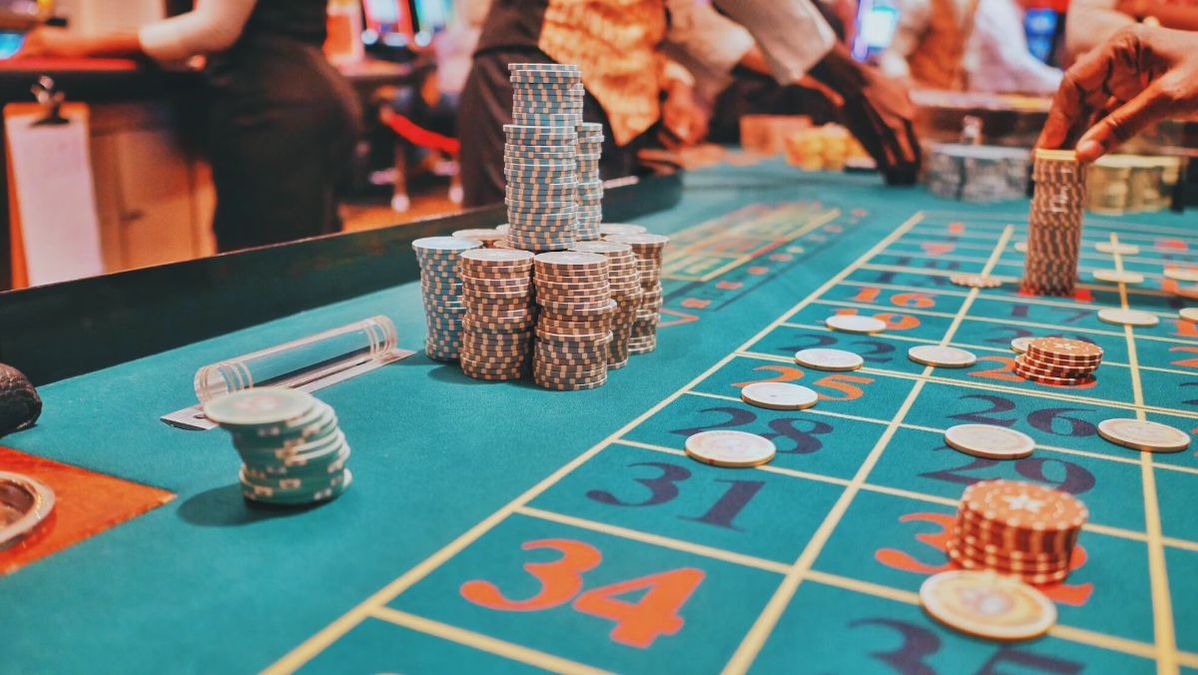
Another common myth is the idea that players can develop a “hot” or “cold” streak based on their performance. For example, some players may believe that a table at a casino has a better chance of providing wins if they observe others winning. However, this belief overlooks the mathematical principles of probability. Each bet is separate, and the chances of winning or losing remain constant regardless of previous outcomes, emphasizing that gambling should always be approached with caution and an understanding of its nature.
Players often fall into the trap of believing in betting systems that claim to guarantee a profit, such as the Martingale system. While these strategies may provide temporary success, they do not change the odds of the game. The house always has an edge in the long run, meaning that no betting system can overcome the inherent probabilities. Understanding that gambling outcomes are purely random can help players set realistic expectations and avoid the pitfalls of such myths.
The House Edge Explained
Another fundamental myth in gambling is the belief that the house edge can be overcome through skill or strategy. Players often think that by employing specific techniques, they can tilt the odds in their favor. While certain games, like poker, do involve an element of skill, many casino games, such as slots and roulette, are primarily based on luck. The house edge represents the built-in advantage the casino has over the player, and it is crucial for players to understand this concept to make informed decisions.
The house edge varies by game, and players should familiarize themselves with these percentages to choose games that offer the best odds. For example, blackjack has a lower house edge compared to other games, making it a more favorable option for those looking to maximize their chances. However, even in blackjack, the house maintains an advantage, meaning that consistent winning is improbable over time. Recognizing this truth helps players approach gambling with a more realistic mindset.
Additionally, some players mistakenly believe that they can “beat the house” with the right strategy. While it’s true that strategies can improve the chances in skill-based games, the idea of completely defeating the house edge is a myth. Casinos design games with profit margins to ensure their sustainability, making it essential for players to understand that gambling should primarily be viewed as entertainment rather than a reliable income source.
The Illusion of Control
The illusion of control is another common myth that influences many gamblers. Players often believe they can predict outcomes based on their choices or behaviors. For example, a player may think that by making certain bets or employing rituals, they can somehow influence the game. This belief can lead to compulsive gambling behavior, as players feel a false sense of empowerment. In reality, most gambling games are designed to be completely random, and no amount of strategy or superstition can change that.
Many gamblers also fall prey to the belief that they can “read” their opponents in games like poker. While reading body language and behavior can offer some insights, the idea that one can consistently predict an opponent’s hand is largely exaggerated. Even skilled players rely on chance and probability. The outcome of each game is subject to the same random factors that govern all gambling activities, making it essential for players to ground their expectations in reality.
Understanding the limitations of control is crucial for responsible gambling. Accepting that outcomes are largely outside of a player’s influence can help mitigate feelings of frustration and disappointment. By recognizing gambling as a game of chance, players can maintain a healthier relationship with their betting habits and focus on enjoying the experience rather than obsessing over control.
The Role of Luck vs. Skill
Many players grapple with the myth that skill can consistently triumph over luck in all gambling scenarios. While certain games, such as poker and blackjack, do require a level of skill, others, like slots and roulette, are purely based on luck. This misconception leads players to underestimate the role of chance, often leading to misguided strategies or excessive risk-taking. It’s vital for gamblers to understand the specific dynamics of each game they play to better align their expectations.
In skill-based games, players can indeed influence their success through practice, strategy, and decision-making. Experienced players often have an edge due to their understanding of odds, psychology, and game mechanics. However, even the most skilled player cannot eliminate the inherent element of luck, which is why it is essential to balance skill development with the recognition of chance’s impact.
Conversely, games that are purely chance-based provide no opportunity for skill to influence outcomes. Players must accept that regardless of strategy, their success in these games is entirely dependent on luck. Recognizing the distinction between skill-based and luck-based games can help players make informed decisions on where to invest their time and money, ultimately leading to a more enjoyable gambling experience.

Educating Yourself with Reliable Resources
As players navigate the world of gambling, it’s essential to seek out reliable resources to debunk common myths. Many players turn to the internet for guidance, but not all sources provide accurate information. Relying on credible websites that offer insights into gambling strategies, odds, and the psychology behind gambling can help players make informed decisions. Educating oneself about the games being played fosters a deeper understanding and mitigates the risks associated with gambling.
In addition to seeking information online, engaging with fellow gamblers can also be beneficial. Forums and community discussions can provide insights and experiences that help dispel common myths. Players can share their own experiences and learn from others’ successes and mistakes. This community aspect not only enriches the gambling experience but also reinforces the importance of understanding the realities of the games.
Moreover, utilizing resources that focus on responsible gambling can significantly enhance a player’s experience. Many sites provide information on recognizing problem gambling behaviors and offer strategies to maintain healthy gambling habits. Understanding the balance between entertainment and risk is key to enjoying gambling responsibly and sustainably.