
The Allure of Risk and Reward
The excitement of gambling is deeply rooted in a complex interplay of psychological factors that draw individuals towards high-stakes environments. One of the most compelling aspects is the allure of risk and reward. Gamblers are captivated by the prospect of a large payout, which generates an intense emotional response. This thrill can trigger a rush of adrenaline, making the gambler feel exhilarated. The uncertainty of the outcome adds to this excitement, as each spin of a slot machine or card dealt can potentially lead to life-altering wins, especially when players engage with online pokies australia that offer enticing opportunities. This anticipation creates a rollercoaster of emotions that is hard to resist, often making individuals return for more, despite the risks involved.
This dynamic between risk and reward activates the brain’s reward centers, particularly through the release of dopamine, a neurotransmitter associated with pleasure and motivation. Winning leads to a dopamine surge, creating a positive feedback loop that encourages further gambling. Even amidst losses, the enticing possibility of a big win can overshadow rational thought, compelling individuals to continue playing despite the odds stacked against them. This phenomenon illustrates how emotion can drive behavior, often overriding logical decision-making processes. The brain’s wiring for reward can lead to a cycle of chasing wins, where the highs of victory make the lows of loss seem less significant.
Moreover, the casino environment is meticulously crafted to enhance these psychological responses. Bright lights, loud sounds, and vibrant colors create an immersive atmosphere that captivates the senses. The sounds of coins clinking, cheers from winners, and the overall celebratory ambiance serve to heighten emotions and prolong engagement. This carefully designed environment makes it challenging for gamblers to walk away, perpetuating a cycle of play that can lead to prolonged sessions in pursuit of that euphoric high that comes with winning. The allure of risk, combined with the thrill of the chase, creates a potent cocktail that keeps gamblers returning to the tables.
The Role of Cognitive Biases
Cognitive biases play a significant role in shaping gamblers’ decision-making processes, often leading to irrational and risky behaviors. One of the most common biases is the illusion of control, where players mistakenly believe their actions can influence the outcomes of games based on skill. For example, a poker player might think that using specific strategies can sway the results in their favor. This overestimation of control can lead to excessive gambling, as individuals become increasingly confident in their perceived abilities. They may fail to recognize the inherent randomness of many gambling games, which can lead to severe financial consequences.
Another cognitive bias prevalent among gamblers is the gambler’s fallacy, which leads players to incorrectly believe that past results can influence future outcomes in random games. For instance, if a certain number has not appeared in a roulette game for several spins, a player might believe it is “due” to win soon. This flawed reasoning can result in chasing losses or increasing bets, creating a cycle that often leads to substantial financial setbacks. Many gamblers fall into this trap, believing that luck can change based on previous outcomes rather than understanding that each game operates independently.
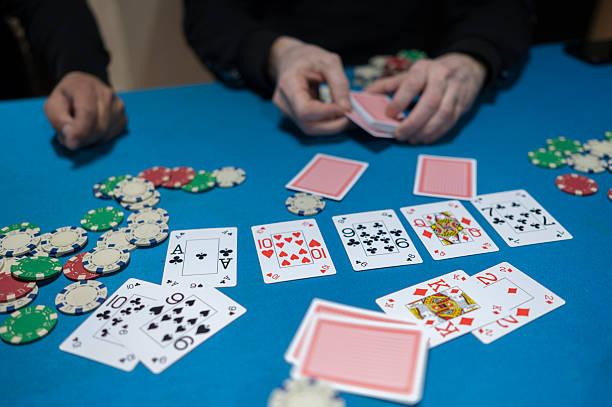
Confirmation bias also affects how gamblers interpret their experiences. Players are more likely to remember their wins over their losses, reinforcing the belief that they possess skill or luck. This selective memory distorts their overall perspective on gambling success, making it difficult for them to recognize when their behavior becomes problematic. These cognitive biases not only influence individual gamblers but also enable casinos to design games and environments that exploit these psychological tendencies, ensuring continued engagement and spending. Understanding these biases is crucial for gamblers to develop a more rational approach to their gameplay.
The Social Dynamics of Gambling
The social context of gambling significantly shapes both individual behavior and the overall gambling experience. Many individuals frequent casinos with friends or engage in multiplayer games, where social dynamics introduce additional psychological layers. The shared excitement of gambling can amplify emotions, encouraging risk-taking as individuals feel emboldened by their companions. This collective experience can obscure individual accountability, making it easier for compulsive behaviors to manifest unnoticed. Socializing in such environments can create a false sense of security, where the thrill of shared experiences outweighs the potential risks associated with gambling.
Moreover, social interactions often introduce a form of peer pressure that can lead individuals to gamble more aggressively than they would on their own. Observing friends placing large bets or celebrating wins can create a compelling urge to join in, even if it contradicts personal financial limits. This social pressure can exacerbate the likelihood of developing gambling problems, as players rationalize their spending within the context of group behavior, diminishing their sense of personal responsibility. The need for social validation can override caution, leading to decisions that might not align with one’s financial goals.
Additionally, the pursuit of social acceptance can lead to a cycle where continued gambling is reinforced. The joy of shared victories or the collective disappointment of losses strengthens social bonds, inadvertently promoting ongoing gambling behavior. In these environments, the emphasis on camaraderie can overshadow the negative consequences associated with excessive gambling, highlighting the need to understand the impact of social dynamics on gamblers’ psychology within casinos. It’s essential to recognize how social settings can alter individual decision-making, often leading to more significant risks in pursuit of shared enjoyment.
The Impact of Emotion and Mood on Gambling Behavior
Emotional states exert a profound influence on gambling behavior, often driving individuals to casinos or shaping their gaming choices. Many gamblers turn to gambling as a means of escapism, seeking to relieve stress or boredom from their daily lives. The high-stakes environment provides an immediate distraction, allowing players to experience excitement and thrill, albeit temporarily. This emotional escape can develop into a dependency, positioning gambling as a primary coping mechanism for dealing with life’s challenges. The allure of gambling as a remedy for emotional distress can create a dangerous cycle, where individuals increasingly rely on it to manage their feelings.

Moreover, mood states can dictate the approach gamblers take when engaging with games. Research indicates that individuals in a positive emotional state are more likely to take larger risks, buoyed by the belief that their optimism will yield favorable outcomes. In contrast, those experiencing negative emotions, such as sadness or anxiety, may engage in gambling to regain a sense of control or recapture lost excitement. These emotional fluctuations can lead to erratic behavior, as gamblers may chase losses during low points, perpetuating a cycle of emotional highs and lows. Understanding these emotional triggers is essential for identifying at-risk individuals and providing appropriate support.
The relationship between mental health and gambling can pose significant risks. Individuals with underlying issues, such as depression or anxiety, may increasingly rely on gambling as a means of coping. This dependency can escalate quickly, especially when gambling fails to provide the expected relief, leading to a downward spiral of problem gambling. Understanding the emotional influences on gambling behavior is crucial for developing effective intervention strategies and support systems for those at risk of gambling-related harm. By addressing the root causes of emotional distress, we can help individuals find healthier coping mechanisms.
Understanding Gambling Addiction
The psychological factors associated with gambling can lead to severe addiction, characterized by compulsive behaviors and a lack of control over gambling habits. Understanding the transition from casual gambling to addiction requires recognizing the psychological triggers that drive individuals toward this condition. A combination of genetic predispositions, psychological vulnerabilities, and environmental influences contribute to a person’s susceptibility to gambling addiction, creating a complex web of factors that entrap individuals. This intricate interplay of influences underscores the need for a multifaceted approach to prevention and treatment.
Initially, symptoms of gambling addiction can be subtle, but they often escalate rapidly. Individuals may start gambling for enjoyment, yet as their habits intensify, they may prioritize gambling over relationships, work, and even basic needs. Such behavioral changes can lead to isolation from support networks, further deepening their reliance on gambling as a source of fulfillment. The accompanying shame and guilt can prevent individuals from seeking help, complicating the recovery process. Recognizing these signs early can be pivotal in intervening before addiction takes hold.
Educating gamblers and their loved ones about the signs of addiction is essential in addressing this pervasive issue. Implementing support systems, counseling, and intervention strategies can help individuals reclaim control over their gambling habits. By understanding the underlying psychological factors that contribute to gambling addiction, comprehensive treatment plans can be developed to address both behavioral and emotional components. Fostering awareness and encouraging open dialogue within communities can better support individuals grappling with gambling addiction, ultimately reducing its prevalence and impact. Creating safe spaces for discussion can help destigmatize the issue, promoting recovery.